
CASE STUDY: Malibu Residence
Rebuilding a Home Lost in the Woolsey Fire


On November 8, 2018, the Woolsey Fire ignited in Los Angeles County and quickly grew into one of the most destructive wildfires the region had experienced. Driven by severe Santa Ana winds and extremely dry conditions, the fire moved rapidly across the landscape, ultimately burning nearly 97,000 acres.
Over the weeks that followed, the fire destroyed more than 1,600 structures, including homes, businesses, and long‑standing community landmarks. Entire neighborhoods were displaced, and the scale of the damage revealed how vulnerable many buildings were to wildfire conditions—particularly along the wildland‑urban interface.
One of the homes lost in the fire was a residence in Malibu, where rebuilding would require navigating not only the physical challenges of the site, but also evolving codes, environmental constraints, and heightened expectations for fire‑resilient design. In the aftermath, the focus shifted from what had been lost to how a home could be responsibly rebuilt in a way better suited to the realities of its environment.
What Was Originally There.


The original home, constructed in the 1970s, was completely lost to the fire, leaving no salvageable structure behind. Built using telephone poles as its primary structural system—an unconventional method common to that era—the house reflected a time before wildfire risk was a major design consideration.
Like many homes of its period, it was not designed to withstand fire exposure. Single‑pane windows, exposed framing beneath the wooden deck, and the absence of defensible space around the structure left it especially vulnerable. These conditions, combined with the intensity of the Woolsey Fire, contributed to the home’s inability to resist ember intrusion and flame spread.
Permitting Process.
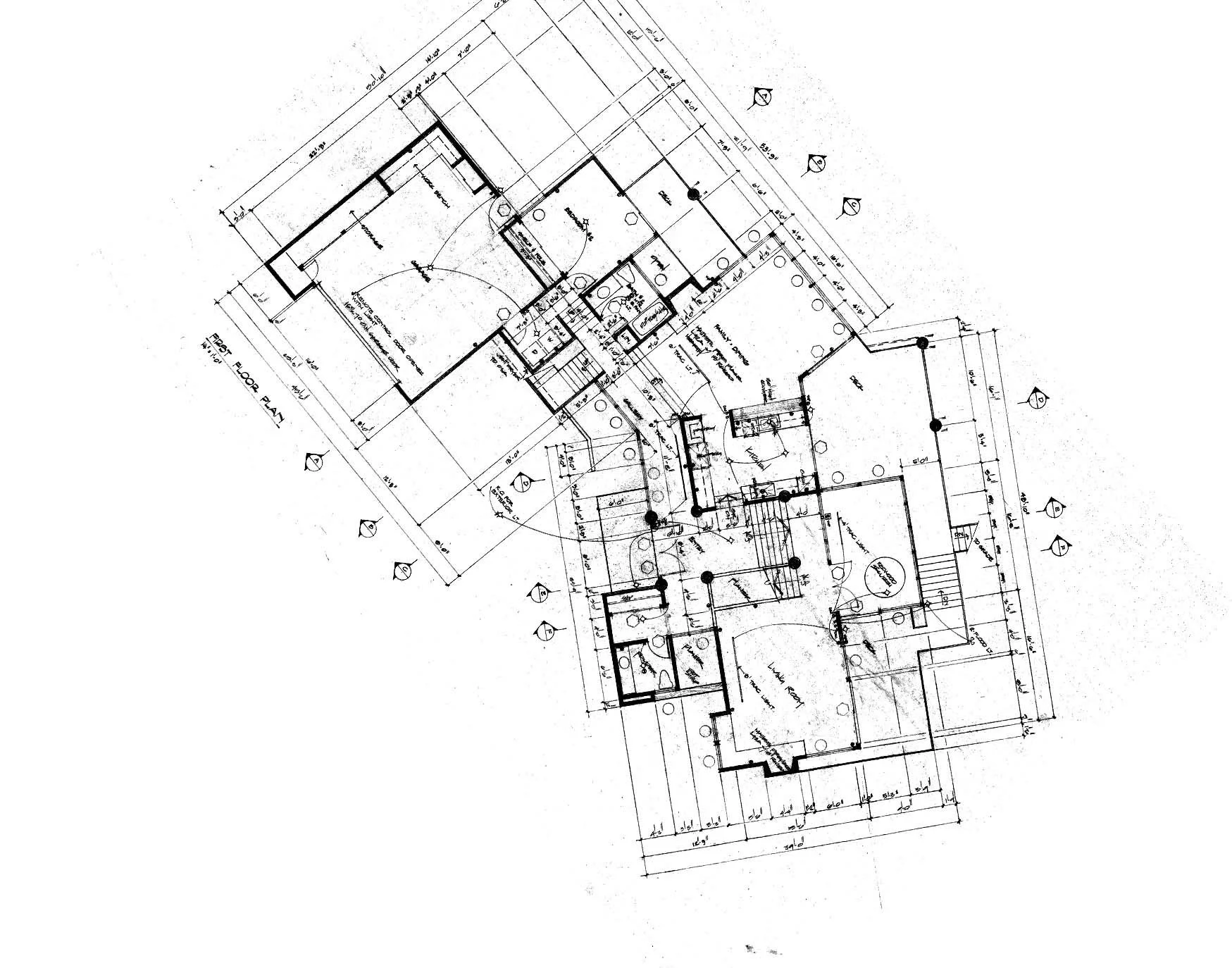
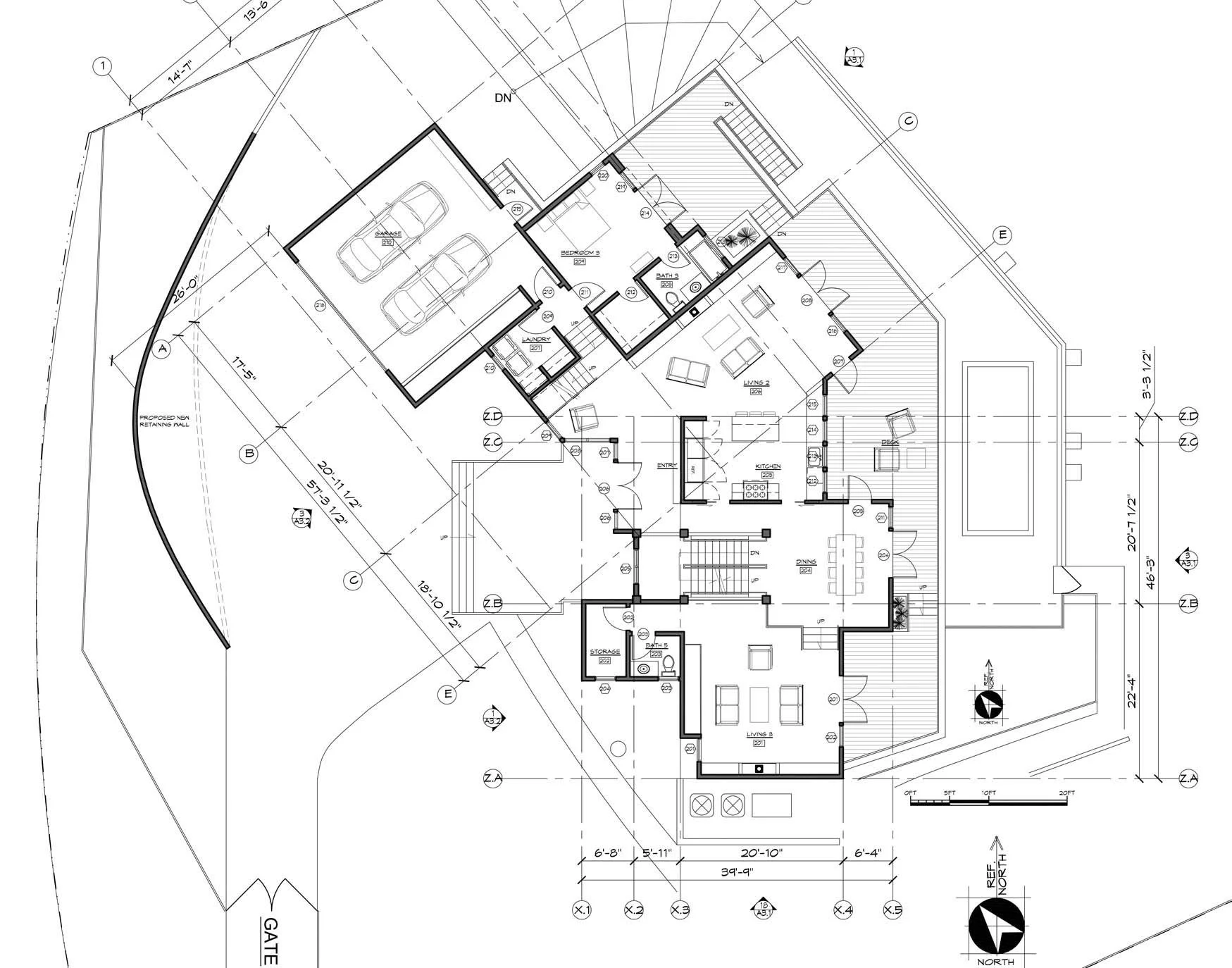
In response to the Woolsey Fire, the City of Malibu established the “Malibu Rebuilds” program, an expedited recovery effort intended to help residents rebuild more quickly. The program was designed to streamline approvals for homes destroyed by the fire, particularly for projects that proposed reconstruction within the original footprint of the lost structure. In these cases, homeowners could bypass several layers of review—including approval by the California Coastal Commission—a process that might otherwise add years to the rebuilding timeline.
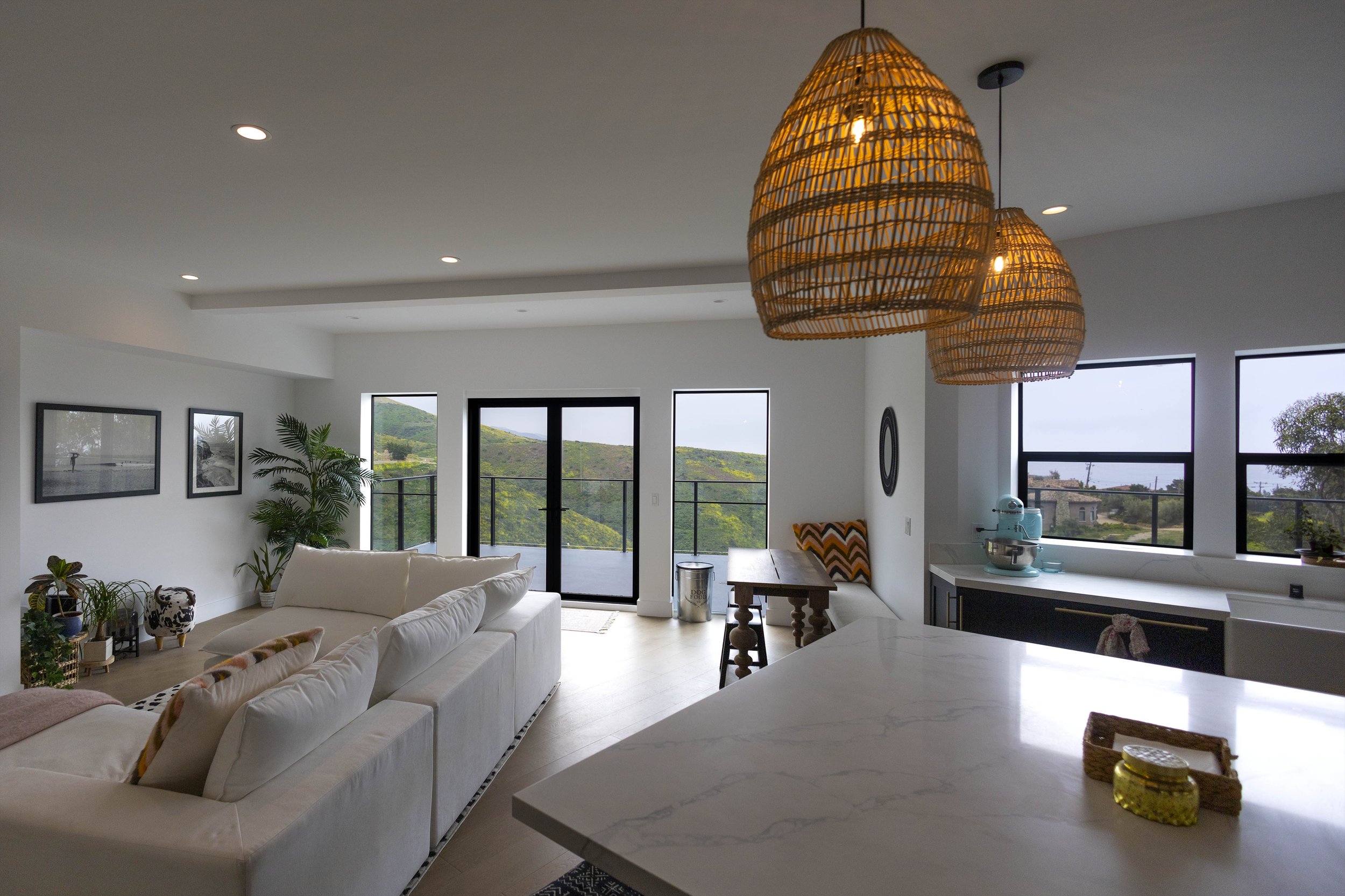
To remain eligible for the program’s expedited review, the replacement home was designed to match the original footprint, height, and overall massing. While these constraints limited exterior changes, they still allowed for measured flexibility within the interior layout, including a permitted 10 percent increase in floor area. This made it possible to rework the plan to better suit contemporary living, modernize the kitchen, improve circulation, and introduce additional storage where it had previously been lacking.
One strategic decision involved the home’s previously unpermitted basement. Rather than folding it into the primary approval—which risked delaying the project—the basement was separated and deferred to a second construction phase. This approach allowed the main residence to remain on the fast‑track approval path while preserving the option to add the basement later. When completed, this additional level significantly increased the home’s usable space and long‑term value without compromising the initial rebuilding timeline.
Project Timeline.

The project formally began in December 2018, only weeks after the Woolsey Fire was fully contained. The initial permitting effort focused on reconstructing the home within the original building footprint, excluding the basement. From first submittal to approval, this phase took approximately two years—a comparatively efficient timeline given Malibu’s stringent regulatory environment.
That pace was largely the result of the expedited rebuilding provisions, which simplified approvals for projects that adhered to the extent and form of the pre‑fire structure. By limiting the scope to what had previously existed on the site, the project was able to move through the review process with fewer discretionary hurdles.
The decision to reintroduce the basement as a second phase, however, significantly extended the overall schedule. Because the original basement had never been permitted, its inclusion required additional review and approvals. Rather than being treated as a replacement, it was considered a new element on the property, subject to a higher level of scrutiny. This added complexity introduced a more rigorous entitlement process and, in turn, considerable additional time to the project timeline.
Creating A New Fire Resilient Home.
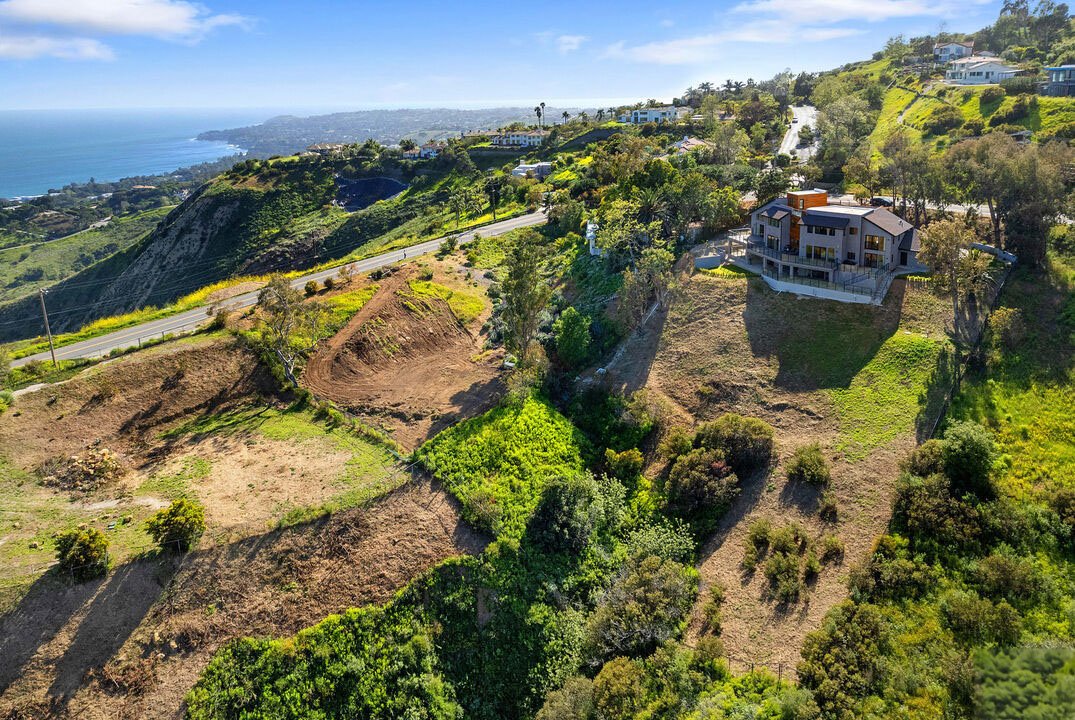
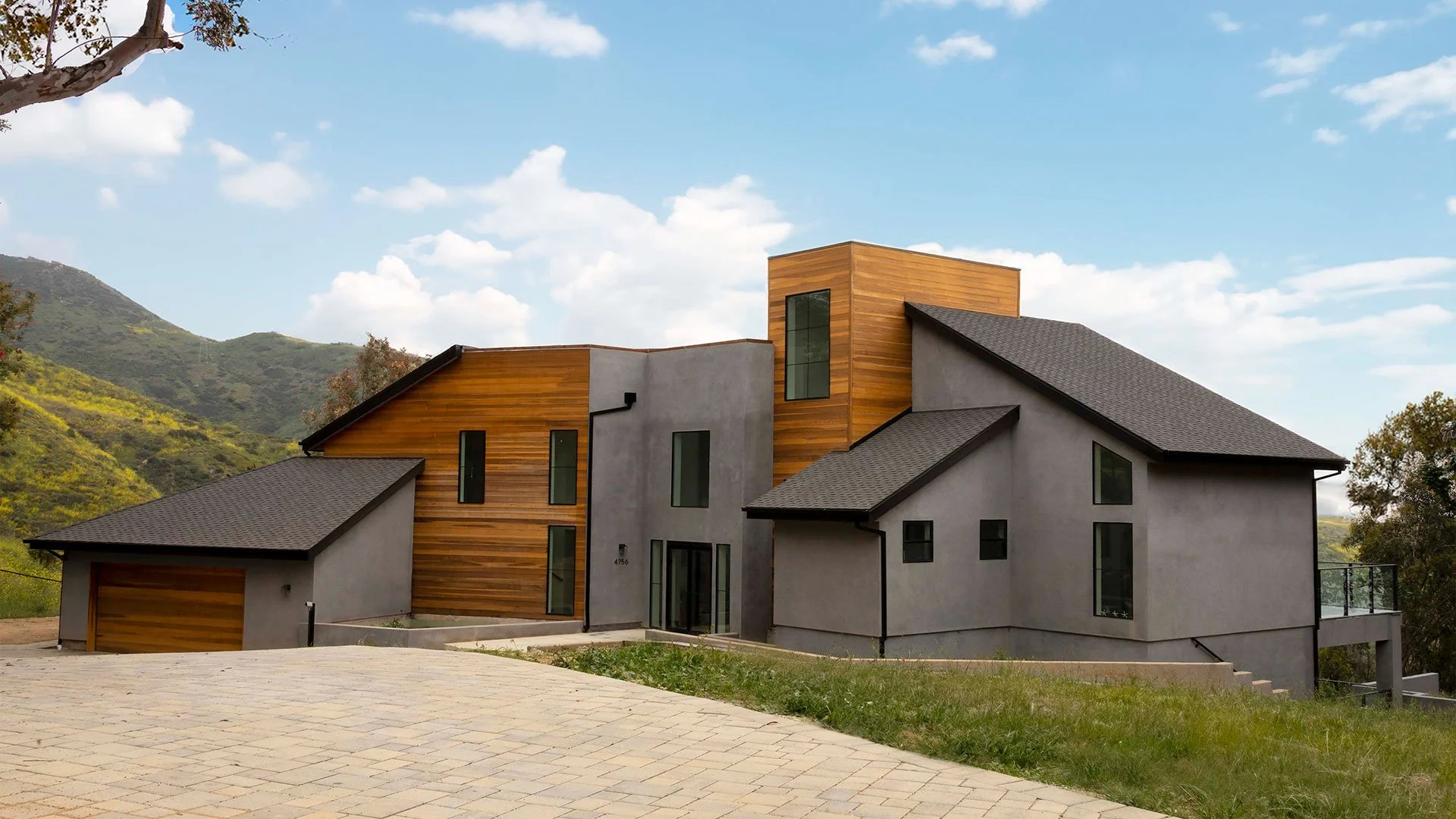
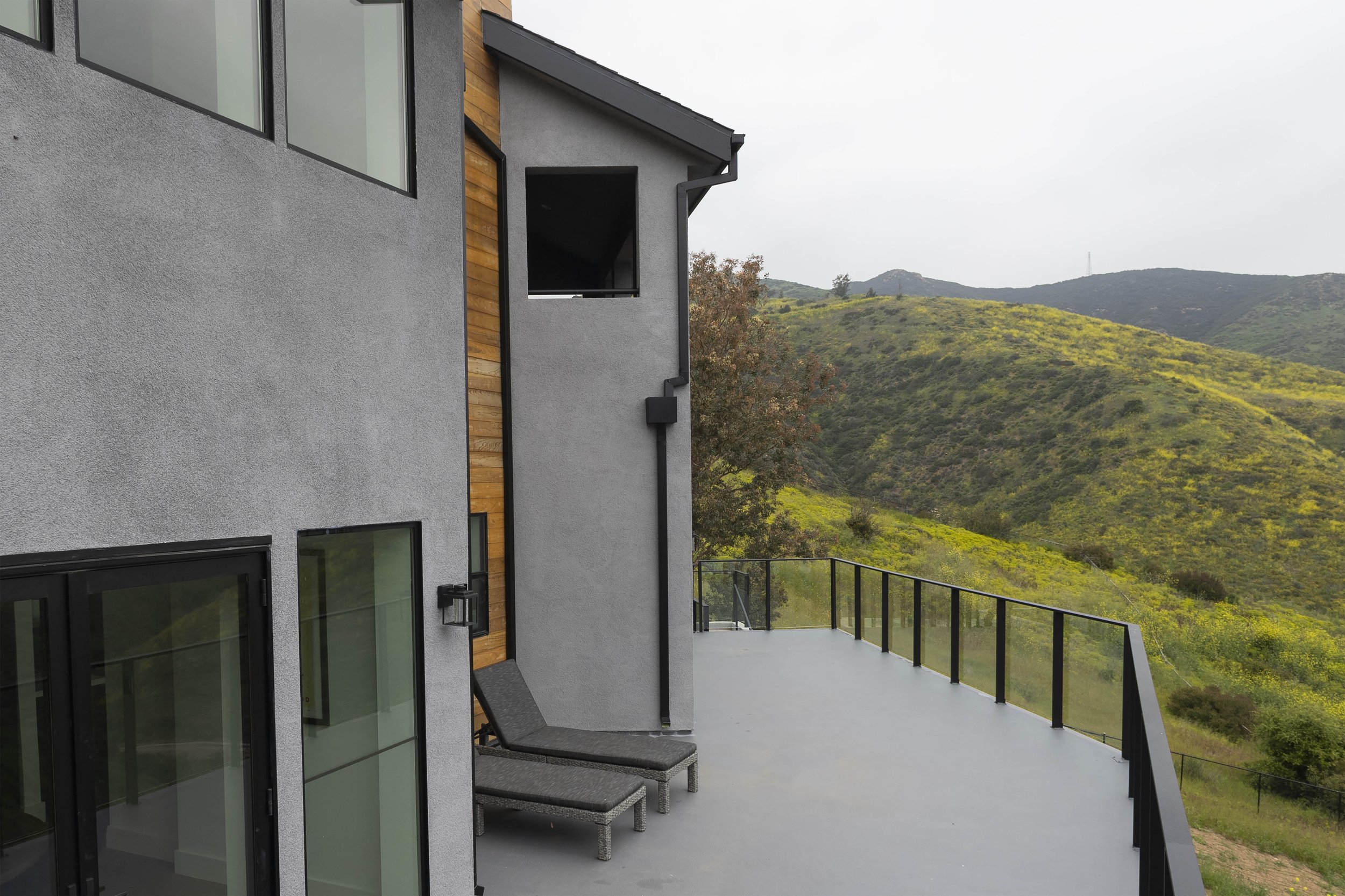
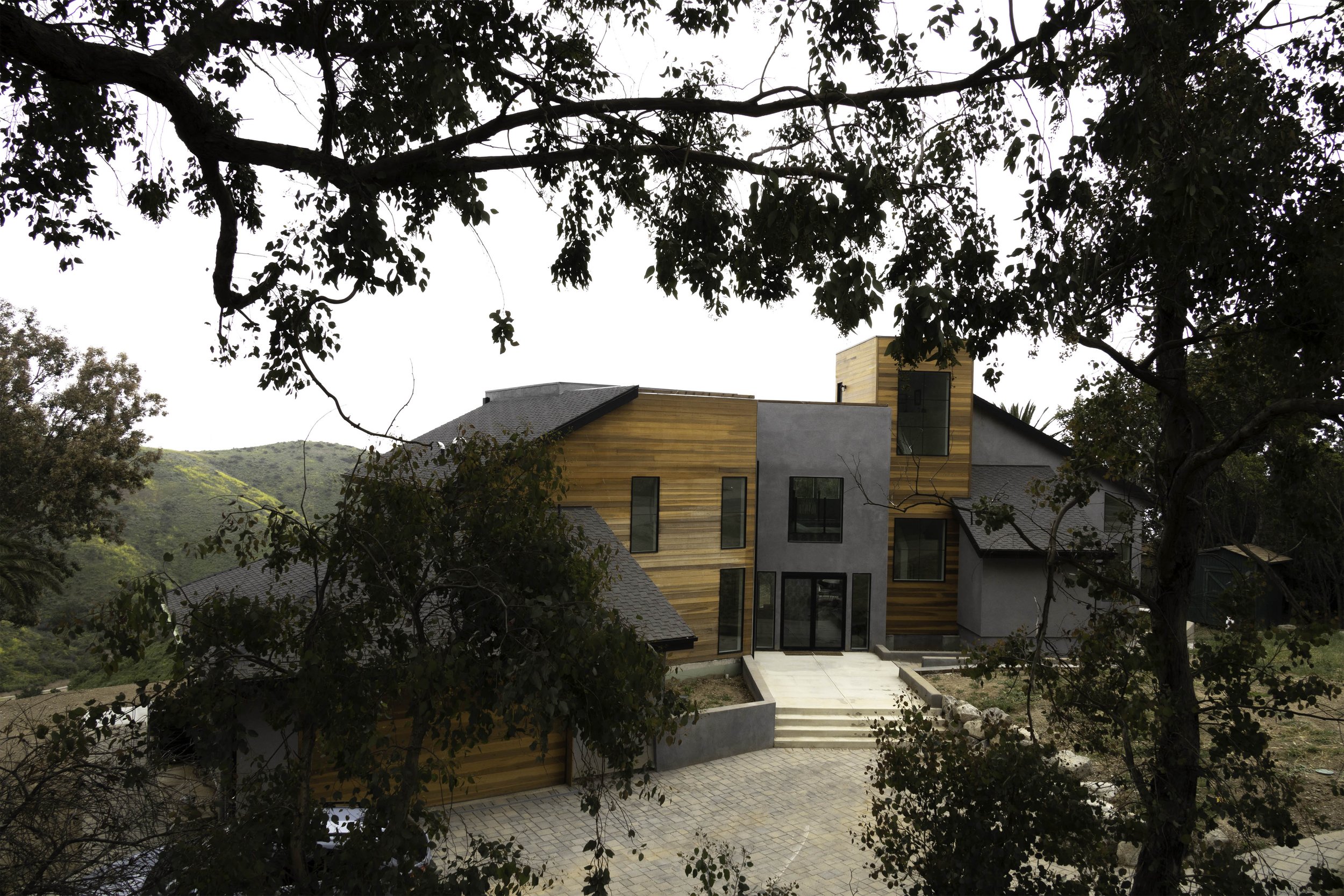
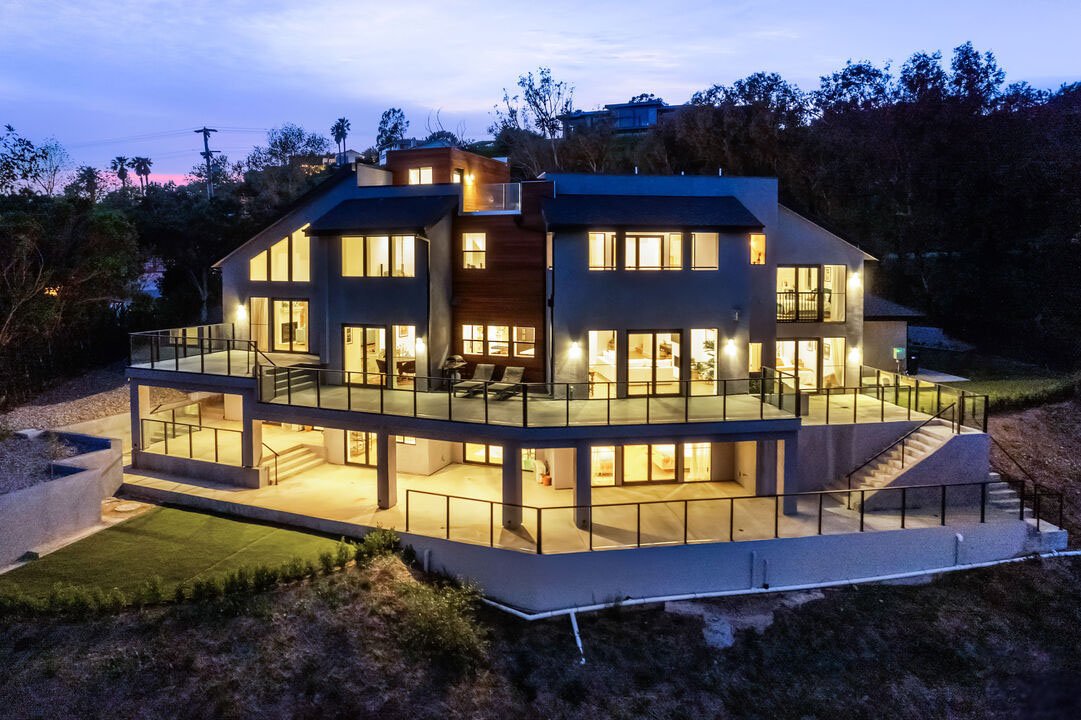
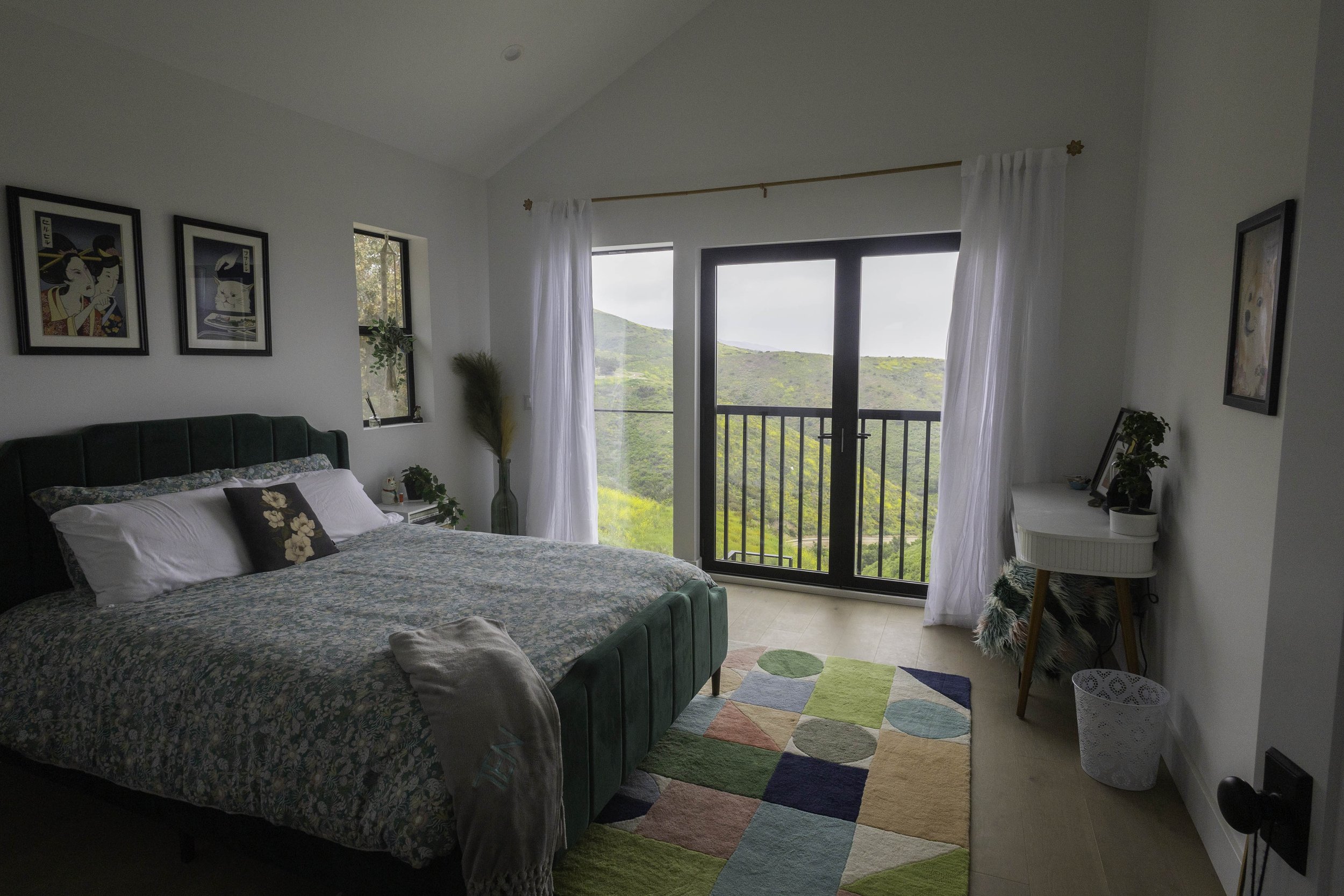
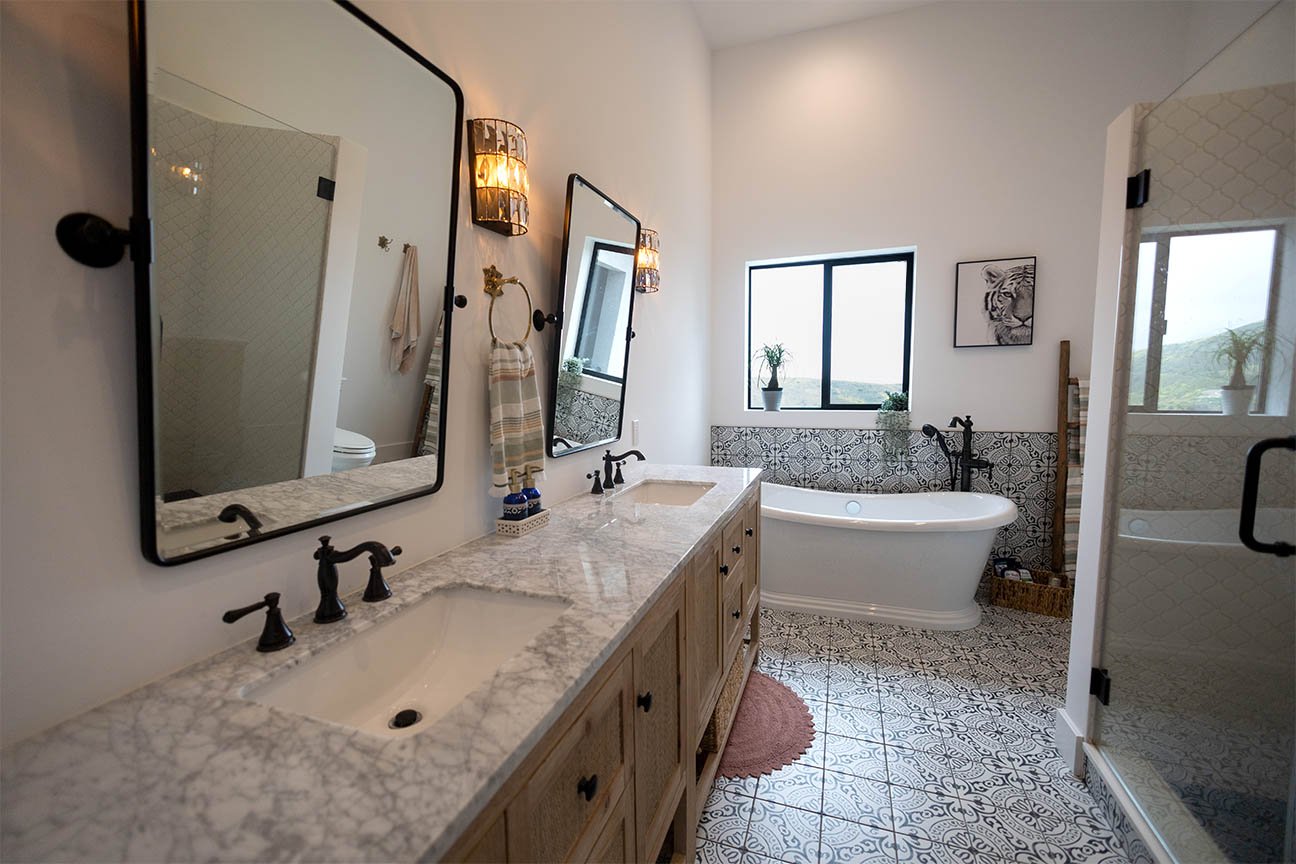
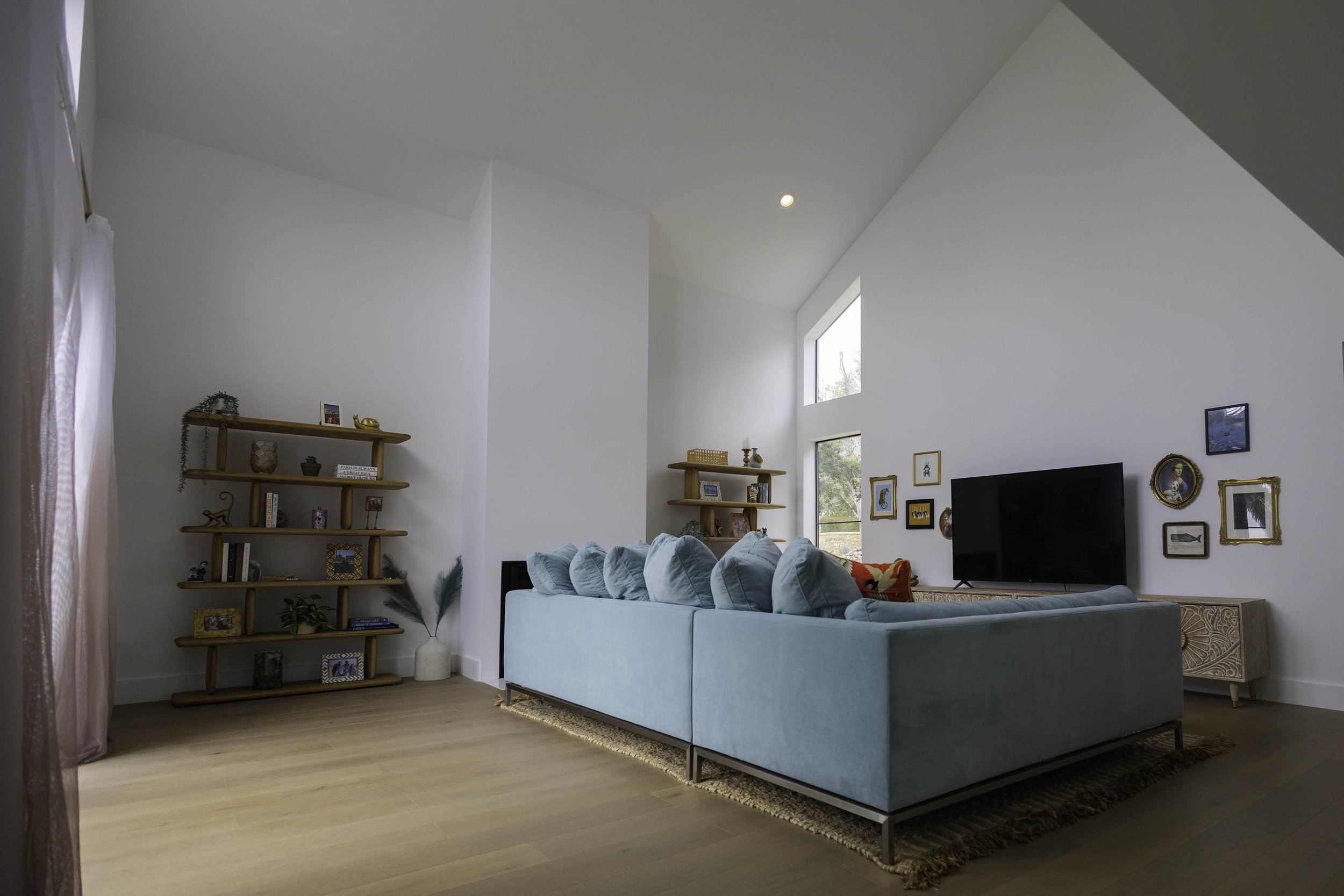
While any structure can be rebuilt, designing with future disasters in mind is essential to creating a building that is both durable and appropriate to its environment. For this project, fire resiliency became a central consideration from the outset.
Several elements of the original home had contributed to its vulnerability. The wooden deck, highly combustible and exposed, was replaced with a non‑combustible deck system. Double‑pane windows were installed to improve resistance to extreme heat, and the exterior was upgraded with fire‑resistant cladding and stucco. Fire‑rated vents and detailing were incorporated to limit ember intrusion—one of the primary causes of structural ignition during wildfires. Landscaping was also re‑evaluated, introducing defensible zones around the building with vegetation spaced and selected to reduce ignition risk from embers and nearby flames.
Together, these changes resulted in a home better suited to the realities of building in a wildfire‑prone landscape, particularly in Malibu, where exposure to fire, wind, and topography remains an ongoing concern.
Careful planning allowed the home to be rebuilt within the constraints of the original approval framework while still improving functionality and long‑term resilience. By preserving the original footprint, the project avoided extended regulatory delays, enabling the homeowner to return sooner after displacement. At the same time, the rebuilt structure reflects lessons learned from the fire—adapting the home not only to the client’s needs, but also to the environmental risks that now define building in the region.